





Quick answer. Sensory activities for toddlers are simple play experiences that engage the senses: touching, pouring, squishing, and exploring different textures. They give busy hands something absorbing to do, support fine motor skills, and often help a restless or unsettled child calm and focus. Most need only household items, and the golden rule is to supervise closely, since young toddlers still explore with their mouths.
If your toddler seems to have hands that must always be touching, squeezing, tipping, and poking, you are not describing a problem. You are describing a toddler. At this age, children learn through their senses, and those busy hands are how they explore the world. Sensory play simply gives that drive a rich, satisfying outlet.
Done well, sensory play does two lovely things at once: it absorbs restless energy, and it often settles an unsettled child. Here is what it is, why it helps, and simple ways to try it.
Why sensory play helps
Engaging the senses is not just entertainment. It does real work for a young child.
- It absorbs busy hands. A child pouring, squishing, and sorting has somewhere for their restless energy to go, which often heads off the poking and prodding that leads to trouble.
- It can be calming. Slow, repetitive sensory activities, running fingers through dry rice, squeezing dough, pouring water, help many children settle and regulate. It is a common tool for winding down.
- It builds fine motor skills. Scooping, pinching, and pouring all strengthen small hands and coordination.
- It invites exploration and language. Describing what things feel like, wet, rough, cold, soft, gives early language a natural boost.

Shop this
Simple sensory activities to try at home
You do not need special kits. Most of the best sensory play comes from the kitchen and the bathroom.
- A water station. A washing up bowl of water with cups, funnels, and a sponge. Endlessly absorbing, and easy to clean up.
- A dry sensory bin. A shallow tub of dry rice, oats, or dry pasta with scoops and small cups for pouring and burying.
- Play dough. Squeezing, rolling, and pinching dough is sensory play and fine motor work in one.
- Foam or bubbles. A little whisked soapy foam on a tray, or bubbles in the bath, gives a fun, ticklish texture to explore.
- A texture hunt. Gather safe household objects of different textures, a soft cloth, a rough sponge, a smooth spoon, and explore how each one feels.
- Nature play. Outdoors, sand, water, mud, leaves, and smooth stones are sensory play at its most natural.
Keep it safe
Sensory play comes with one firm rule: supervise closely, always. Young toddlers still explore with their mouths, so anything small enough to swallow is a choking risk, and materials like dry rice or small stones must never be left with a child unsupervised. Choose taste safe materials for the youngest children, stay within arm's reach, and pack away small loose items when play is done. When in doubt, simpler and larger is safer.
Sensory activities and what they offer
Most need only household items. Reach for the calmer ones when a child needs to settle.
| Activity | What it gives |
|---|---|
| Water play | Pouring practice and easy calm |
| Dry rice or oat bin | Scooping and burying, soothing repetition |
| Play dough | Hand strength and creativity in one |
| Foam and bubbles | A fun, ticklish texture to explore |
| Texture hunt | Language for how things feel |
Frequently asked questions
What are sensory activities for toddlers?
Simple play that engages the senses through touch and movement: water play, dry sensory bins, play dough, foam, texture hunts, and nature play. They absorb busy hands and support fine motor skills.
Why is sensory play good for toddlers?
It gives restless hands an absorbing outlet, often helps a child calm and focus, builds fine motor skills, and encourages exploration and language.
Are sensory bins safe for toddlers?
They can be, with close supervision. Young toddlers still mouth objects, so use taste safe materials for the youngest children, stay within arm's reach, and put away small loose items after play.
What sensory activities help calm a toddler?
Slow, repetitive ones tend to soothe: running fingers through dry rice, squeezing dough, or pouring water. Many families use these to help a child wind down.
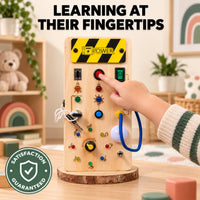
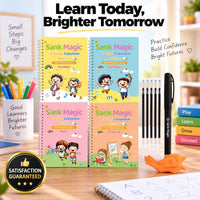
Bright Bloomer's hands on toys, busy boards, busy books, and building sets, are a tidy, everyday companion to messier sensory play, giving busy hands something to explore without the cleanup. Whichever you reach for, the aim is the same: give those busy hands a rich, safe outlet, and stay close while they explore.